Oct 27, 2026Essential Oil & Aromatherapy
Wholesale Oil Bottles with Dropper: Sizes, Closures and MOQ Explained
A buyer's guide to wholesale oil bottles with dropper sourcing: how to match capacity and closure to your formula, what stock and custom programs offer, and which terms to confirm before you order.
Wholesale oil bottles with dropper programs look simple until the first quote arrives: capacities in milliliters, closures in finish codes, MOQs that move with every customization. This guide walks through the three decisions that shape every order - capacity, closure and program type - so your first wholesale inquiry comes back with numbers you can actually compare.
Start with the formula, not the bottle
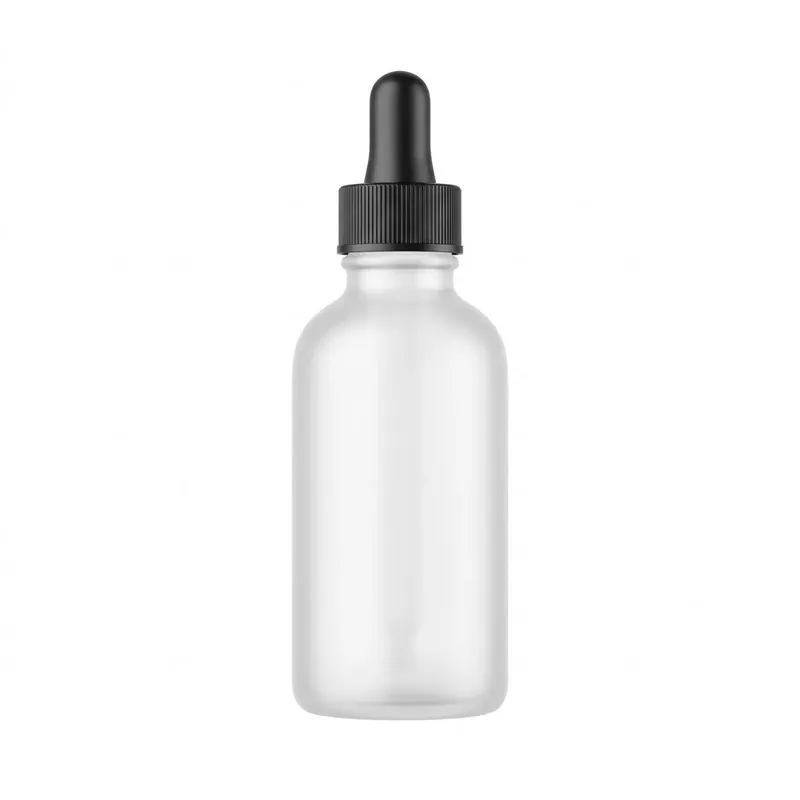
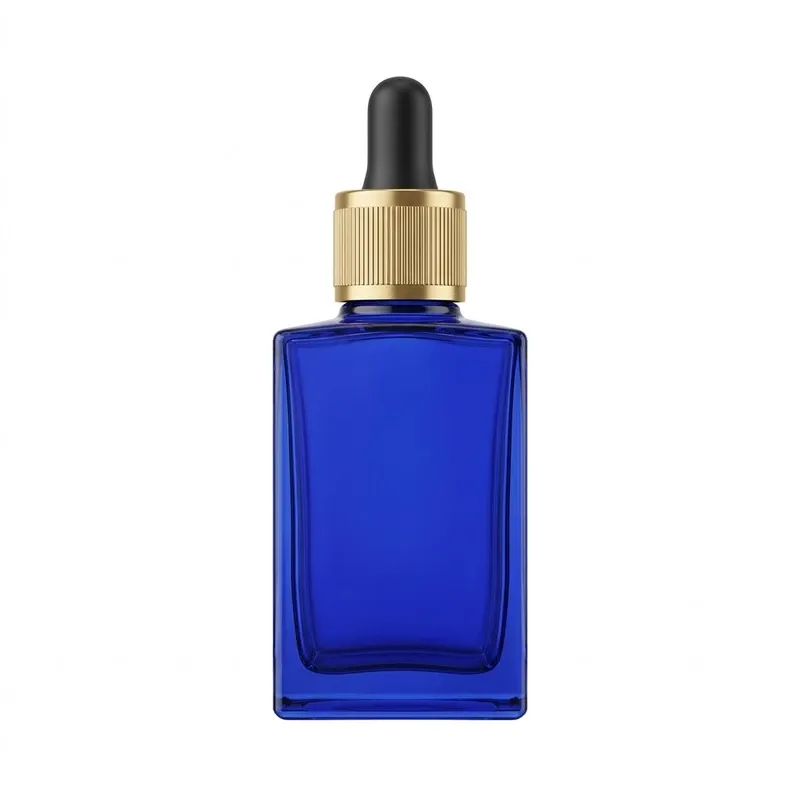
The formula decides the bottle. Light-sensitive blends - essential oils, herbal extracts, some facial oils - need colored or coated glass that blocks light. Waterier serums tolerate clear glass but often want the premium look of frosted or matte finishes. Write down three things before you contact a supplier: fill volume, light sensitivity and the shelf look your brand needs. Every other choice follows from these.
Capacity: match the dropper to the usage rate
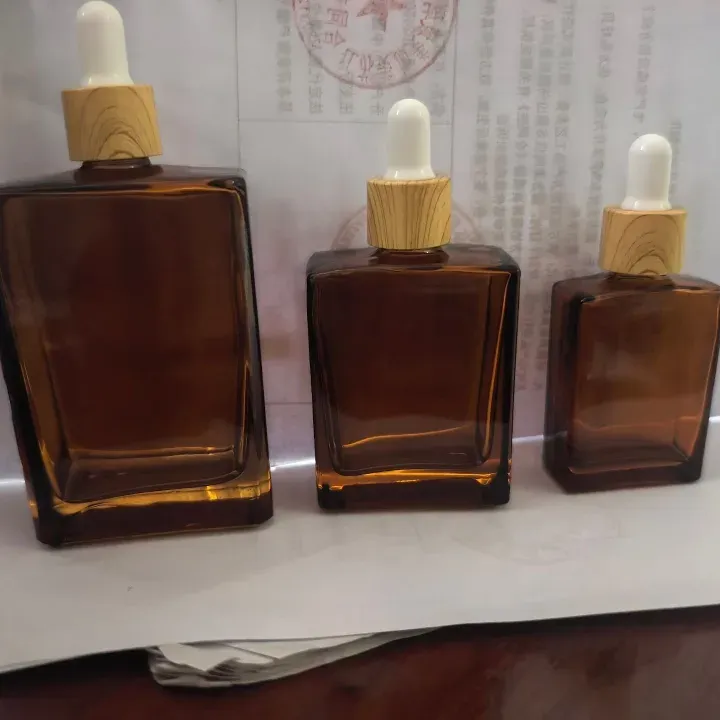
Retail oil products cluster in a narrow band. Facial oils and targeted treatments sit at 15-30 ml, hair and body oils run 50-100 ml. Wholesale buyers should also think in ounces, because US customers search that way: 30 ml is 1 oz, 60 ml is about 2 oz. Choosing capacities that exist in a supplier's existing family - rather than a custom size - keeps tooling costs down and lets your whole line share one silhouette.
Closures: the dropper is a system, not a cap
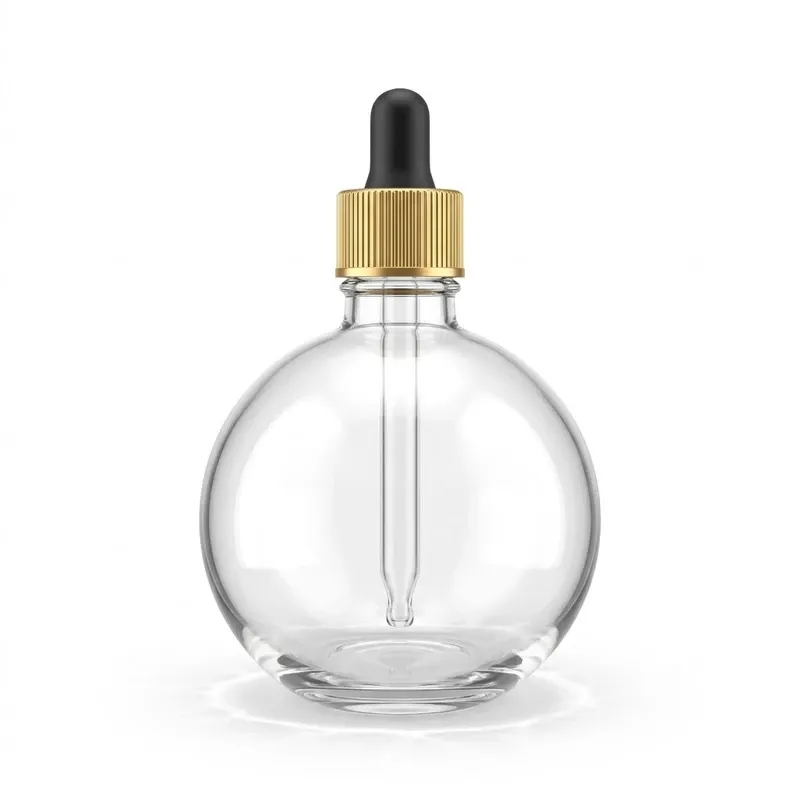
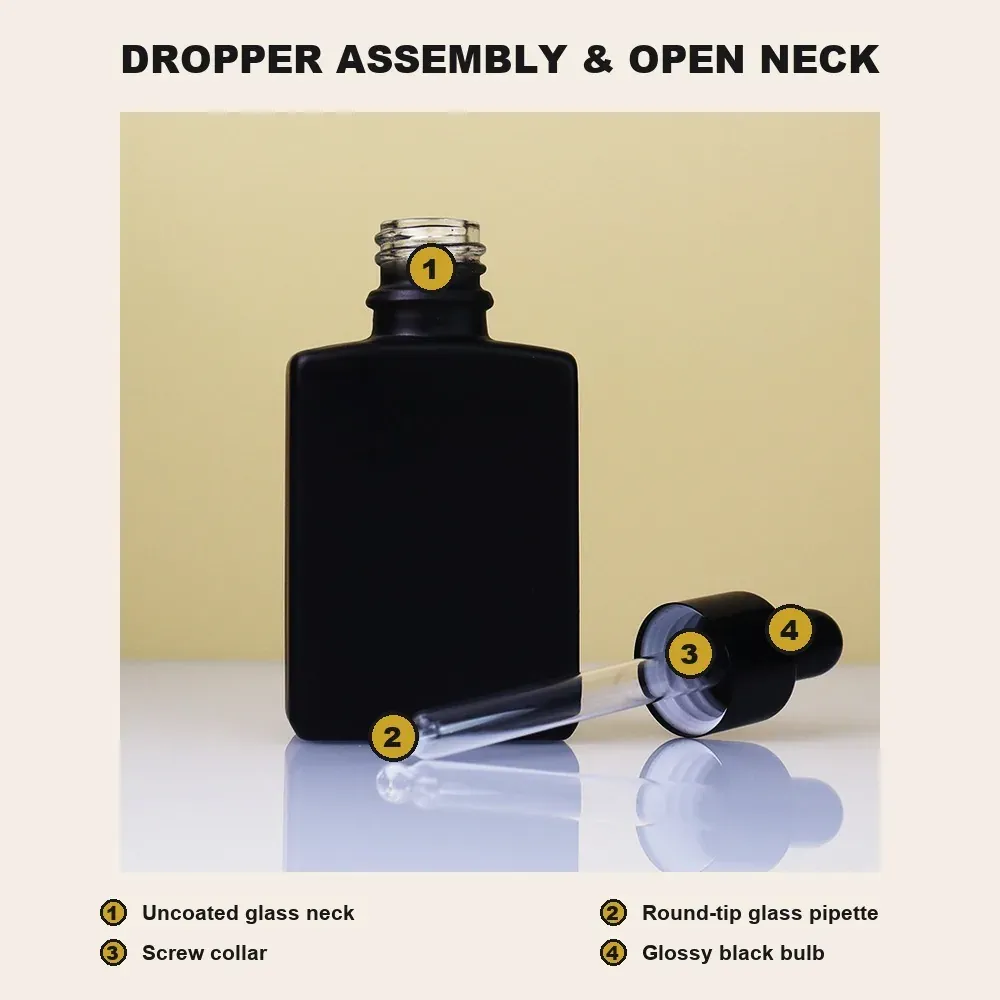
A dropper assembly has three parts: the bulb, the collar and the glass pipette. Bulb firmness controls how much product each draw lifts; collar fit controls sealing and return flow; pipette length must match the bottle height or you will ship air. Confirm that the closure is supplied matched to the bottle - and remember that the neck finish is the interface between them, so the final drawing should confirm the neck, not just the bottle.
Wholesale oil bottles with dropper: stock versus custom programs
Most suppliers run two tracks. Stock programs sell an existing mold in standard finishes with fast dispatch and lower MOQs - typically starting around 2,000 pieces. Custom orders add your decoration - logo printing, custom packaging - and confirm every dimension on a drawing before production. The practical path for most brands: validate the formula and the market on a stock bottle, then move to custom decoration once volume justifies it.
The five terms to confirm in writing
Before any deposit, get these in writing: exact capacity and tolerance, neck finish with a drawing, closure specification, packing configuration, and the dispatch timeline for your quantity. Sample policies differ by supplier - availability is confirmed per order, so ask before you promise a launch date to your own customers.
How to compare quotes fairly
Normalize every quote to the same basis: price per piece at your quantity, with the same closure, the same packing and the same delivery term. A quote that looks cheaper with an unmatched closure is not cheaper - it is a different product. Suppliers who confirm drawings and specifications before production are telling you how the whole project will run; that signal is worth more than a few cents per piece.
Ready to price a program? Send your capacity, closure preference, quantity and destination, and confirm the specifications, MOQ and timeline for your configuration before you commit.