011
Bottle Specifications
Dimensions, capacity, neck finish and visual condition.
TESTING & QUALITY
Evaluate glass bottle products, closures, dispensing components and decoration before production to reduce packaging mismatch and quality risks. Testing scope is defined according to the packaging configuration, formula, filling conditions and project requirements.

Professional glass packaging quality inspection in a clean factory environment.
Glass packaging / Quality control
Packaging quality is not only about the bottle. The complete container, closure and dispensing system should be evaluated together. Browse our Products for available glass packaging options.
Dimensions, capacity, neck finish and visual condition.
Bottle and closure matching, assembly and sealing configuration.
Potential leakage points in the selected packaging combination.
Packaging suitability based on formula and project conditions.
Dropper, pump or sprayer configuration when applicable.
Printing, coating, labels and other finishing requirements.

Bottle & Neck Finish
Small differences in bottle dimensions or neck specifications can affect closure fit, assembly and filling-line performance. Specifications should be confirmed before components are finalized. Inspection criteria depend on the selected product and confirmed specification.
Confirm the required bottle size and key dimensions.
Confirm the neck specification before selecting closures.
Review glass appearance and visible defects according to project requirements.
Check whether the selected closure or dispensing component matches the bottle configuration.

Closure & Component Matching
A closure that looks suitable is not automatically the correct closure for a packaging system. Final component selection depends on the bottle specification, formula, filling process and project requirements.
Caps, Droppers, Fine Mist Sprayers, Pumps, Orifice Reducers, Liners, Sealing Components – browse Packaging Components for options

Leak-Risk Evaluation
Leakage usually needs to be evaluated as a packaging-system issue rather than a bottle-only issue. Leak-risk evaluation reduces uncertainty but does not mean a universal zero-leak guarantee. Actual testing scope must be confirmed according to project requirements.
Confirm that the selected components are correctly matched.
Review whether the sealing configuration is suitable for the selected packaging.
Consider how closure application and assembly may affect packaging performance.
Consider expected filling, storage and transportation requirements.

Formula Compatibility
Different formulations can interact differently with packaging components. Browse our Applications for use-case context, and Request Samples to evaluate with your formula before production. Compatibility evaluation scope depends on available formula information and project requirements.
Share Formula Information → Select Packaging → Request Samples → Evaluate → Confirm Production Direction

Dispensing Performance
For droppers, pumps and sprayers, packaging performance also depends on component configuration. Performance evaluation depends on the selected component, formula and packaging configuration.
Review dropper fit, pipette configuration and intended application.
Review sprayer fit and dispensing configuration for the selected bottle.
Review pump and bottle matching according to product and application requirements.
Quality & Verification Process
We follow clear, documented processes to verify specifications, align components, evaluate samples, and check quality—helping you make confident glass packaging decisions.
We review and confirm packaging specifications including dimensions, material details, and functional needs to align with your product and brand expectations.
We check compatibility between glass containers, closures, liners, and accessories to ensure proper fit and consistent function across your packaging system.
We evaluate pre-production samples against confirmed specifications to review visual, functional, and dimensional characteristics before full production proceeds.
We conduct routine checks on delivered packaging to verify consistency with approved samples and specifications for each order.

Decoration Quality
Decoration should be evaluated against the approved sample and confirmed project specification. Decoration requirements and acceptable criteria should be confirmed before production.
Printing, Coating, Hot Stamping, Labels, Secondary Packaging

Quality Process
Confirm product, formula, quantity, market and packaging expectations—including any Customization needs.
Align bottle, neck finish, closure and component requirements.
Prepare suitable packaging options for evaluation.
Review fit, configuration and project-specific quality requirements.
Confirm the selected packaging and decoration direction.
Inspect production according to the confirmed project requirements.
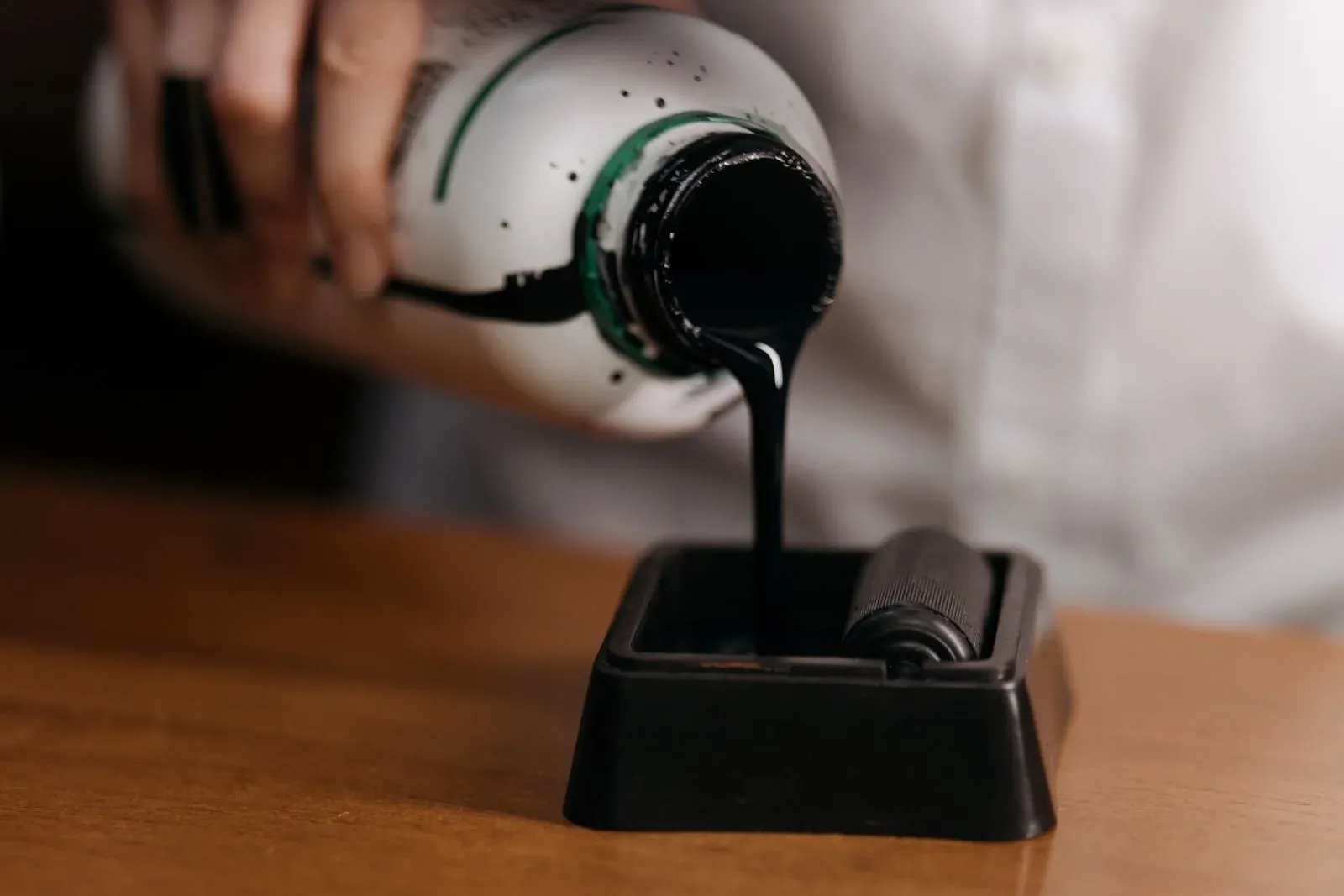
Decoration Quality
Decoration should be evaluated against the approved sample and confirmed project specification. Decoration requirements and acceptable criteria should be confirmed before production.
Printing, Coating, Hot Stamping, Labels, Secondary Packaging
Quality & Testing FAQ
Find clear answers about pre-order checks, component compatibility, samples, and quality documentation.
Still need help? Connect with our team through the contact form.

Evidence & Documentation
Different projects require different specifications, inspections and supporting documents. Certificate validity, scope and product applicability should be confirmed for each order.
Confirmed packaging specifications when available.
Reference samples or approved packaging configuration.
Project-specific quality inspection information when applicable.
Available evaluation or test information according to the project scope.
Relevant valid certificates can be provided when they apply to the selected product and order.
Third-party testing
Historical reports for the tested glass jar samples. Original report numbers and dates; not a certificate for every SKU.
EU 84/500/EEC + 1935/2004; extractable Pb <0.1 mg/L (limit 4.0), Cd <0.01 mg/L (limit 3.0).
U.S. FDA C.P.G. 7117.06/07 + AOAC 973.32; leachable Pb <0.05 ppm (limit 2.0), Cd <0.03 ppm (limit 0.5).